Have you ever felt like your trusty dynamic microphone isn’t quite reaching its full potential in your podcast recordings? You might be surprised to learn that a little pre-amp magic could be the key to unlocking richer, clearer audio.
Unlike condenser mics, dynamic mics require an extra boost to shine. In this blog post, we’ll delve into the world of pre-amps for dynamic microphones, exploring how they work, the benefits they offer, and how to choose the right one to elevate your podcast’s sound quality to new heights. So, buckle up and get ready to take your audio game to the next level!
Microphone pre-amps featured in this review
Our aim is always to provide you with sound advice for the right gear for your podcast journey. This page contains affiliate links. If you choose to purchase a a pre-amp through one of these links, we may earn a small commission that helps support Mics Live.
In-Line Microphone Preamp Reviews for Podcasters: Cloudlifter CL-1 vs. Fethead vs. Tonos
These compact preamps are lifesavers for boosting the signal of dynamic microphones, popular choices for podcasting. Let’s explore their pros, cons, and average costs to help you pick the right one:
1. Cloudlifter CL-1 – https://amzn.to/3PBf4DK (Amazon)
We’ve worked with clients who share by the Cloudlifter CL-1s for podcast set ups, but also for live events and music concerts and gigs.
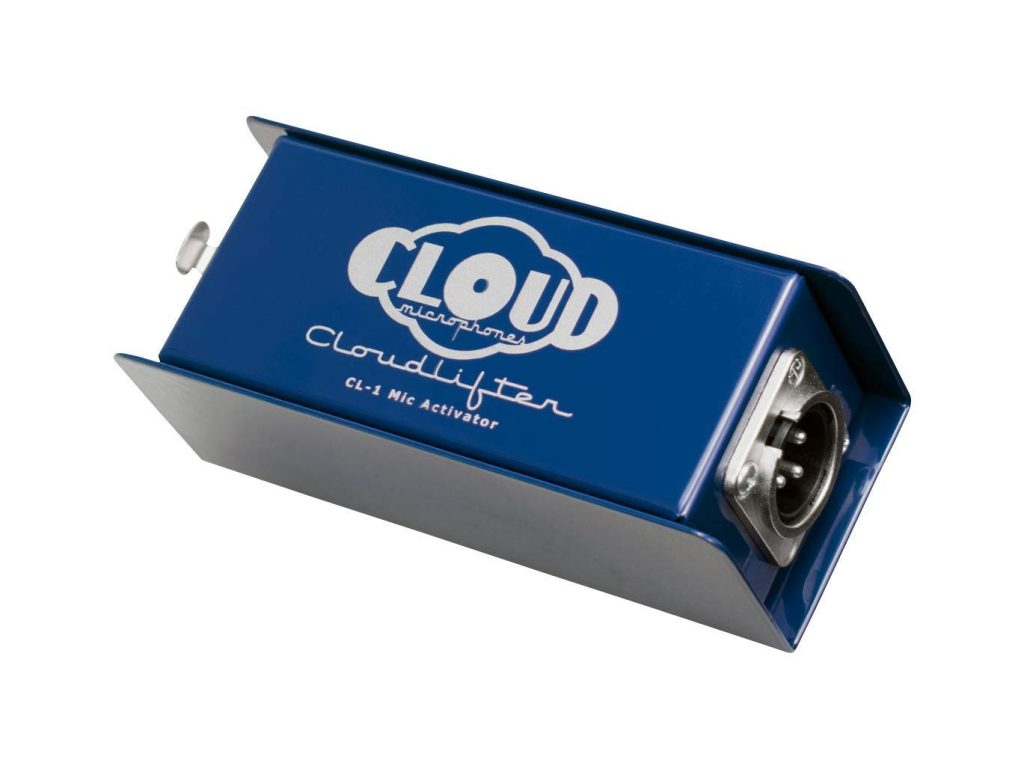
- Cost: ~$140 – https://amzn.to/3PBf4DK (Amazon)
- Pros:
- Industry standard, known for clean transparent boost.
- Compact and lightweight, ideal for portable setups.
- Increases the performance of passive microphones, e.g. during long cable distances.
- Recommended for use with all passive dynamic microphones
- Up to 25 dB additional level for passive microphones
- Provides 2 different levels of ultra-clean reinforcement
- Durable and portable for studio, stage and broadcasting applications
- Noticeably cleaned and amplified audio signal.
- Ideal for recording directly in the DAW using low output dynamic microphones
- Cons:
- Limited to single-channel use. (You can purchase a twin version)
- Doesn’t offer additional features like EQ or gain control.
- Requires phantom power to work.
2. Fethead by TritonAudio – https://amzn.to/3xe8U6r (Amazon)
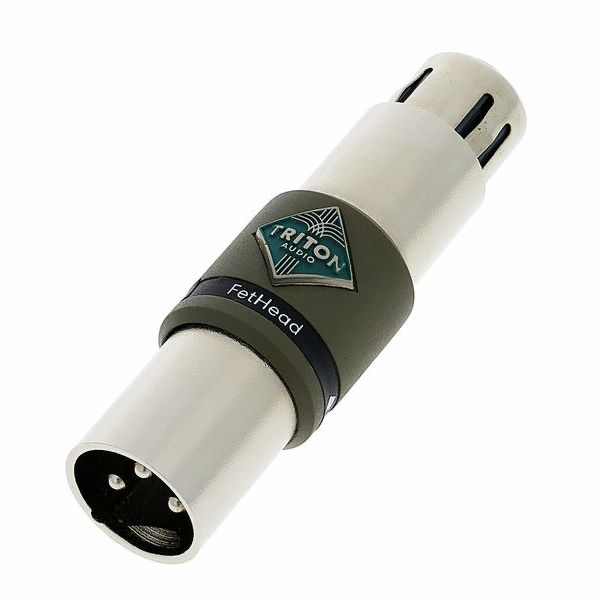
We use Fetheads with our Shure SM7Bs (and Electro voice RE320s) in podcast and radio studio set ups. We team them up with DBX 286s mic processors and dual channel processors in the radio studios, and we use them with Rodecaster Pro desks in our podcast set ups.
- Cost: ~$80 – https://amzn.to/3xe8U6r (Amazon)
- Pros:
- Generally offers slightly higher gain boost than Cloudlifter (around 2-3 dB).
- Ultra low noise, high quality in-line microphone preamplifier
- Amplification de 27 dB (@ charge de 3000 Ω)
- Balanced XLR input/output
- Frequency response 10hz-100kHz (+/- 1dB)
- The circuit is powered by 24-48V phantom power
- A FetHead will work with all types of dynamic balanced microphones.
- May offer a slightly thicker sound compared to the Cloudlifter.
- Cons:
- Requires external power supply (phantom power).
- More expensive than the Cloudlifter.
- Still limited to single-channel use and basic functionality.
- Can be fitted to either end of the XLR cable, can be tricky at the mic end depending on the boom arm you use.
3. TONOR Dynamic Microphone Preamp
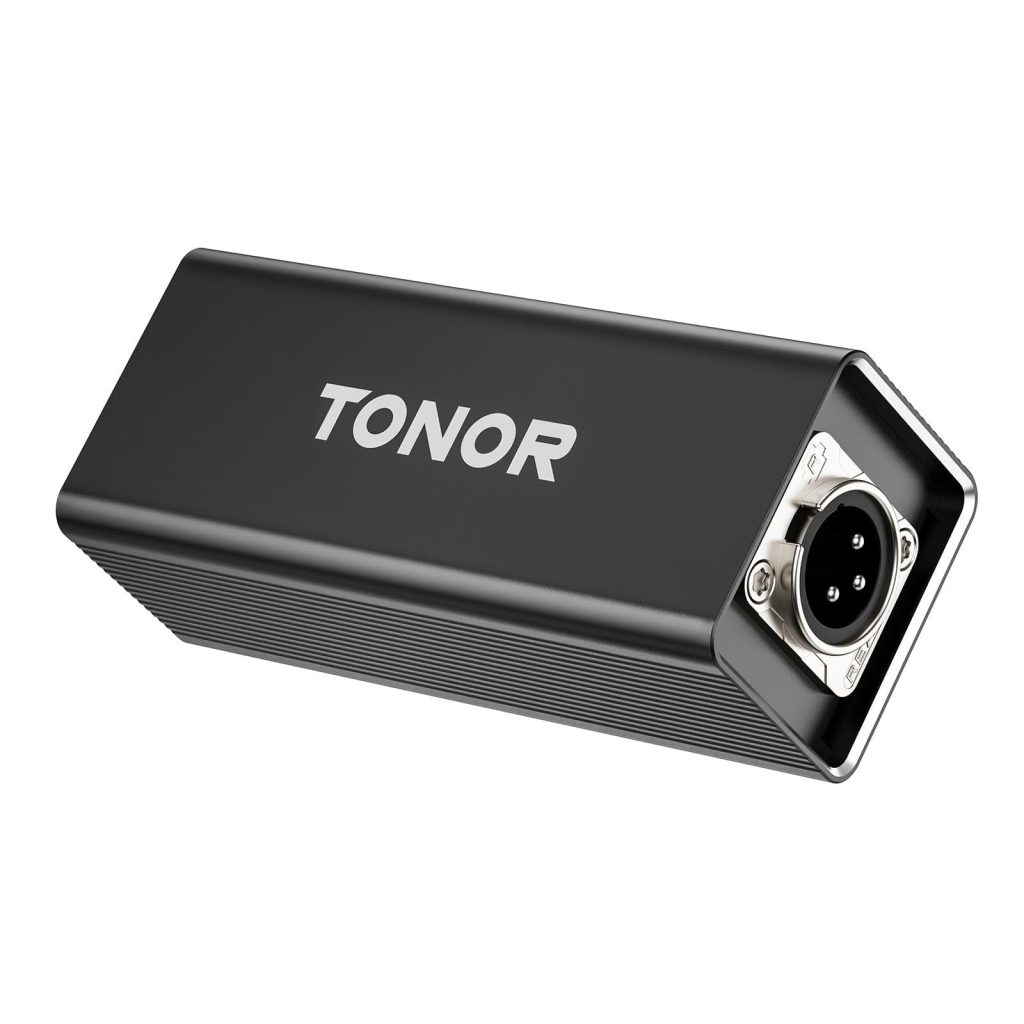
Weve also added a third review in this series, but we’re going to be honest, we have no experience of using the Tonor in line pre-amp. And the link below is not an affiliate link – we only affiliate link to products we’ve used and know do the job, Having said that it is available from Amazon, and had 68% saying it was 5 stars when we wrote this review. They were Amazon Vine reviews where they review a free product. We may buy one to test it out, mainly because we’re geeks.
- Cost: ~$80 (AMAZON non-affiliate link)
- Pros:
- TBC
- Cons:
- TBC
Choosing the Right Preamp:
- Cloudlifter: Great all rounder costs a little more, clean boost.
- Fethead: Ideal for those on a budget and works a treat.
Remember: These are general guidelines. Experiment and listen to audio samples to find the preamp that best suits your microphone and desired sound.
What is this Phantom Power?
Each of the pre-amps within this review require one thing called phantom power which is usually used by condensor microphones, so why do we need it with these pre-amps if we’re using dynamic microphones. Let us explain how it works.
Phantom power is like a secret handshake between your audio equipment and usually condenser microphones. It provides a tiny electrical charge (+48 volts is the standard) through the XLR cable, powering the microphone’s internal circuitry. This lets condenser mics function properly and capture high-quality audio. Unlike dynamic mics, condenser mics don’t rely on battery power, but this “phantom” electrical nudge is essential for them to operate. However the preamps require that little electrical charge to give them that electrical nudge.
That also means you will need some equipment to supply phantom power. These can be either a mixing desk like a Rodecater Pro (1 and 2) or an audio interface like a Focusrite 2i2. We have review on these and more,